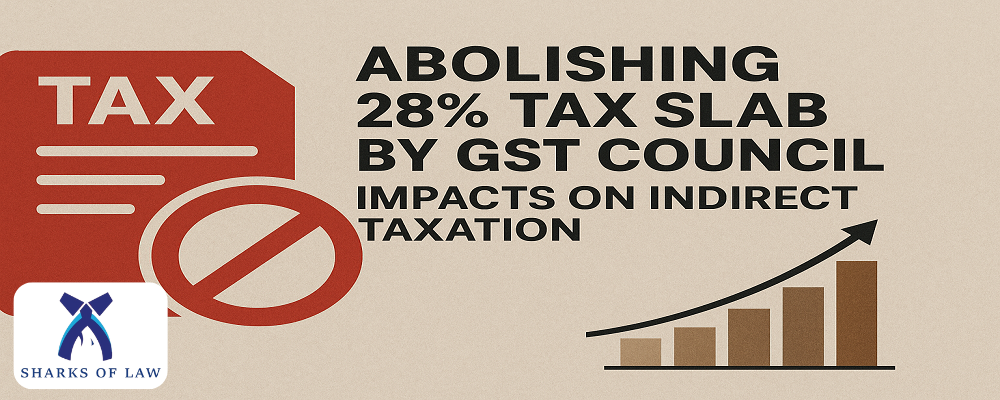
GST is also known as the Goods and Services Tax. It is an indirect tax that has replaced many indirect taxes in India, including excise duty, VAT, and service tax. The Goods and Services Tax Act was passed in Parliament on March 29, 2017, and went into effect on July 1, 2017.
Consult Verified Legal Experts

- • Bail Matter
- • Property Matter
- • Corporate Issues
Experience

- • Employment Matters
- • RERA Matters
- • Cyber Fraud
Experience

- • Adoption & Custody
- • Insurance Matters
- • Audits
Experience

- • Insurance Matters
- • Case Transfer Matters
- • Statutory Compliances
Experience

- • Employment Matters
- • Case Transfer Matters
- • Cyber Crime
Experience

- • Adoption & Custody
- • RERA Matters
- • Audits
Experience

- • Bail Matter
Experience

- • Mutual or Contested Divorce
Experience

- • Agreements
- • Court Marriage
- • Employment Matters
Experience

- • Court Marriage
- • Employment Matters
- • Cyber Fraud
Experience

- • Adoption & Custody
- • Insurance Matters
- • Cyber Fraud
Experience

- • Adoption & Custody
- • Insurance Matters
- • Anticipatory Bail
Experience

- • Adoption & Custody
- • RERA Matters
- • Statutory Compliances
Experience

- • Adoption & Custody
- • RERA Matters
- • Cyber Fraud
Experience

- • Statutory Compliances
- • Audits
- • Rape & POCSO
Experience

- • Court Marriage
- • Cyber Crime
- • Anticipatory Bail
Experience

- • Adoption & Custody
Experience

- • Corporate Issues
Experience

- • Employment Matters
- • RERA Matters
- • Case Transfer Matters
Experience

- • Rape & POCSO
Experience

- • Insurance Matters
Experience

- • Corporate Issues
Experience

- • Adoption & Custody
Experience

- • Corporate Issues
Experience

- • Insurance Matters
Experience

- • Adoption & Custody
Experience

- • Startup Compliances
Experience

- • Property Matter
Experience

- • Mutual or Contested Divorce
Experience

- • Rape & POCSO
Experience

- • Adoption & Custody
Experience

- • Cyber Fraud
- • Rape & POCSO
- • Anticipatory Bail
Experience

- • Anticipatory Bail
- • Bail Matter
- • Case Transfer Matters
Experience

- • Cyber Fraud
- • Rape & POCSO
- • Bail Matter
Experience

- • Agreements
- • Audits
- • Trademark & other IP
Experience

- • Cyber Fraud
- • Rape & POCSO
- • Bail Matter
Experience

- • Court Marriage
- • Adoption & Custody
- • Mutual or Contested Divorce
Experience

- • Court Marriage
- • Adoption & Custody
- • Mutual or Contested Divorce
Experience

- • Audits
- • Trademark & other IP
- • Company Registration
Experience

- • Anticipatory Bail
- • Money Recovery
- • Cheque Bounce
Experience

- • Money Recovery
- • Cheque Bounce
- • Matrimonial Disputes
Experience

- • Cyber Fraud
- • Rape & POCSO
- • Bail Matter
Experience

- • Insurance Matters
- • Cyber Fraud
- • Rape & POCSO
Experience

- • Court Marriage
- • Adoption & Custody
- • Mutual or Contested Divorce
Experience

- • Cyber Fraud
- • Rape & POCSO
- • Bail Matter
Experience

- • Anticipatory Bail
- • Money Recovery
- • Cheque Bounce
Experience

- • RERA Matters
- • Case Transfer Matters
- • Succession Issue
Experience

- • Consumer Protection
- • Legal Notice
- • Succession Issue
Experience

- • Insurance Matters
- • Cyber Fraud
- • Rape & POCSO
Experience

- • Agreements
- • Employment Matters
- • Statutory Compliances
Experience

- • Anticipatory Bail
- • Money Recovery
- • Cheque Bounce
Experience

- • Court Marriage
- • Adoption & Custody
- • Rape & POCSO
Experience

- • Agreements
- • Employment Matters
- • Statutory Compliances
Experience

- • Court Marriage
- • Adoption & Custody
- • Mutual or Contested Divorce
Experience

- • Cyber Crime
- • Anticipatory Bail
- • Money Recovery
Experience

- • Agreements
- • Employment Matters
- • Trademark & other IP
Experience

- • Money Recovery
- • Cheque Bounce
- • Legal Notice
Experience

- • Court Marriage
- • Adoption & Custody
- • Mutual or Contested Divorce
Experience

- • RERA Matters
- • Legal Notice
- • Succession Issue
Experience

- • Anticipatory Bail
- • Money Recovery
- • Cheque Bounce
Experience

- • Agreements
- • Employment Matters
- • Statutory Compliances
Experience

- • Property Matter
- • Corporate Issues
- • Startup Compliances
Experience

- • Cyber Crime
- • Anticipatory Bail
- • Money Recovery
Experience

- • Audits
- • Trademark & other IP
- • Company Registration
Experience

- • Anticipatory Bail
- • Money Recovery
- • Cheque Bounce
Experience

- • Cyber Crime
- • Money Recovery
- • Cheque Bounce
Experience

- • RERA Matters
- • Consumer Protection
- • Legal Notice
Experience

- • RERA Matters
- • Case Transfer Matters
- • Legal Notice
Experience

- • Anticipatory Bail
- • Money Recovery
- • Cheque Bounce
Experience

- • Cyber Crime
- • Legal Notice
- • Succession Issue
Experience

- • Court Marriage
- • Adoption & Custody
- • Mutual or Contested Divorce
Experience

- • Cyber Fraud
- • Rape & POCSO
- • Bail Matter
Experience

- • Consumer Protection
- • Legal Notice
- • Succession Issue
Experience

- • RERA Matters
- • Case Transfer Matters
- • Cyber Crime
Experience

- • Court Marriage
- • Adoption & Custody
- • Mutual or Contested Divorce
Experience

- • Agreements
- • Employment Matters
- • Statutory Compliances
Experience

- • Cyber Fraud
- • Rape & POCSO
- • Bail Matter
Experience

- • Cyber Fraud
- • Property Matter
- • Corporate Issues
Experience

- • Agreements
- • Employment Matters
- • Statutory Compliances
Experience

- • Insurance Matters
- • Cyber Fraud
- • Property Matter
Experience

- • Cyber Fraud
- • Property Matter
- • Corporate Issues
Experience

- • Insurance Matters
- • Cyber Fraud
- • Rape & POCSO
Experience

- • Insurance Matters
- • Cyber Fraud
- • Corporate Issues
Experience

- • Court Marriage
- • Adoption & Custody
- • Mutual or Contested Divorce
Experience

- • Agreements
- • Employment Matters
- • Audits
Experience

- • Agreements
- • Employment Matters
- • Statutory Compliances
Experience

- • Court Marriage
- • Adoption & Custody
- • Bail Matter
Experience

- • Court Marriage
- • Adoption & Custody
- • Rape & POCSO
Experience

- • Matrimonial Disputes
- • Legal Notice
- • Succession Issue
Experience

- • Case Transfer Matters
- • Anticipatory Bail
- • Money Recovery
Experience

- • Cyber Crime
- • Money Recovery
- • Cheque Bounce
Experience

- • Insurance Matters
- • Rape & POCSO
- • Bail Matter
Experience

- • Court Marriage
- • Adoption & Custody
- • Mutual or Contested Divorce
Experience

- • Court Marriage
- • Adoption & Custody
- • Mutual or Contested Divorce
Experience

- • Rape & POCSO
- • Bail Matter
Experience

- • Agreements
- • Employment Matters
- • Statutory Compliances
Experience

- • Court Marriage
- • Adoption & Custody
- • Mutual or Contested Divorce
Experience

- • Agreements
- • Court Marriage
- • Adoption & Custody
Experience

- • Agreements
- • Employment Matters
- • RERA Matters
Experience

- • Employment Matters
- • Cyber Fraud
- • Cyber Crime
Experience

- • Employment Matters
- • Insurance Matters
- • Cyber Fraud
Experience

- • Adoption & Custody
- • Employment Matters
- • Insurance Matters
Experience

- • Bail Matter
Experience

- • Rape & POCSO
Experience

- • Insurance Matters
Experience

- • Adoption & Custody
Experience

- • Court Marriage
Experience

- • RERA Matters
- • Case Transfer Matters
- • Cyber Crime
Experience

- • Rape & POCSO
Experience

- • Insurance Matters
Experience

- • Rape & POCSO
Experience

- • Adoption & Custody
Experience

- • Property Matter
Experience

- • Property Matter
Experience

- • Adoption & Custody
Experience

- • Insurance Matters
Experience

- • Employment Matters
- • Insurance Matters
- • RERA Matters
Experience

- • Court Marriage
- • Adoption & Custody
- • Legal Notice
Experience

- • Cyber Crime
- • Rape & POCSO
- • Anticipatory Bail
Experience

- • Rape & POCSO
- • Bail Matter
- • Legal Notice
Experience

- • Employment Matters
- • Company Registration
- • Legal Notice
Experience

- • Cyber Fraud
- • Cyber Crime
- • Legal Notice
Experience

- • Employment Matters
- • Insurance Matters
- • Legal Notice
Experience

- • Adoption & Custody
- • Matrimonial Disputes
- • Legal Notice
Experience

- • Court Marriage
- • Rape & POCSO
- • Matrimonial Disputes
Experience

- • Anticipatory Bail
- • Audits
- • Cheque Bounce
Experience
In other words, GST is a tax levied on the supply of goods and services. The Goods and Services Tax Law in India is a comprehensive, multi-stage, destination-based tax levied on all value additions. GST is a single domestic indirect tax regime that applies nationwide.
The GST scheme levies tax at every point of sale. Both the central and state governments levy GST on intrastate sales. All interstate sales are subject to Integrated GST.
GST's objectives
- To achieve the 'One Nation, One Tax' idea, GST replaced several indirect taxes that existed under the previous tax regime. The benefit of having a single tax is that every state applies the same rate for a specific product or service. Tax administration is simplified when the Central Government sets the rates and policies. E-way bills for goods transportation and e-invoicing for transaction reporting are two examples of common laws that can be implemented. Tax compliance is also improved because taxpayers are not burdened with numerous return forms and deadlines. Overall, it is a unified system for indirect taxation compliance.
- Subsume the majority of India's indirect taxes: India used to levy several indirect taxes at various stages of the supply chain, including service tax, Value Added Tax (VAT), Central Excise, and so on. Some taxes were governed by states, while others were governed by the central government. There was no unified or centralized tax on both goods and services. Thus, GST was implemented. GST consolidated all major indirect taxes into one. It has significantly reduced taxpayer compliance burdens while also making tax administration easier for the government.
- To eliminate the cascading effects of taxes: One of the main goals of GST was to eliminate the cascading effect of taxes. Previously, because of differences in indirect tax laws, taxpayers could not offset one tax's tax credits against another. For example, excise duties paid during manufacturing could not be deducted from the VAT payable during the sale. This resulted in a tax cascade effect. GST only applies to the net value contributed at each stage of the supply chain. This has helped to eliminate the cascading effect of taxes and contributed to the smooth flow of input tax credits across both goods and services.
- To combat tax evasion: GST laws in India are far more stringent than any of the previous indirect tax legislation. Under GST, taxpayers can only claim input tax credits on invoices uploaded by their suppliers. This reduces the likelihood of claiming input tax credits on fake invoices. The implementation of e-invoicing has only strengthened this purpose. Furthermore, because GST is a national tax with a centralized surveillance system, cracking down on defaulters is much faster and more efficient. As a result, the GST has substantially reduced tax avoidance and fraud.
- To increase the taxpayer base: The GST has contributed to the expansion of India's tax base. Previously, each tax law had a different threshold for registration based on turnover. Because GST is a consolidated tax that applies to both goods and services, the number of tax-registered businesses has increased. Furthermore, stricter laws regarding input tax credits have helped bring certain unorganized sectors into the tax net. For example, take India's construction industry.
- Online procedures to facilitate business transactions: Previously, taxpayers faced numerous challenges when dealing with different tax authorities under each tax law. Furthermore, while returns could be filed online, the majority of the assessment and refund procedures were GST procedures and are nearly entirely handled online. Everything is done with a single click, including registration, return filing, refunds, and e-way bill generation. It has significantly simplified taxpayer compliance and improved the overall ease of doing business in India. In addition, the government intends to launch a centralized portal soon for all indirect tax compliance, including e-invoicing, e-way bills, and GST return filing.
- To encourage competitive pricing and increase consumption: GST has also resulted in increased consumption and indirect tax revenues. Because of the cascading effect of taxes under the previous regime, goods in India were more expensive than in global markets. Even between states, lower VAT rates in certain states resulted in an imbalance of purchases. Uniform GST rates have helped to ensure overall competitive pricing in India and around the world. This has resulted in increased consumption and higher revenues, which is another important goal achieved.
If you are searching for GST Lawyers in Delhi, you can contact Sharks of Law. The Sharks of Law educates individuals about legal matters and promotes critical thinking. We provide Legal Consultation. You can find a lawyer here.
Email:-helpdesk@sharksoflaw.com
Help Desk:-+91-88770-01993

Adv Vipul Singh Raghuwanshi
Legal expert and contributor at Sharks of Law. Committed to providing clear and accessible legal guidance to everyone.